
Introduction
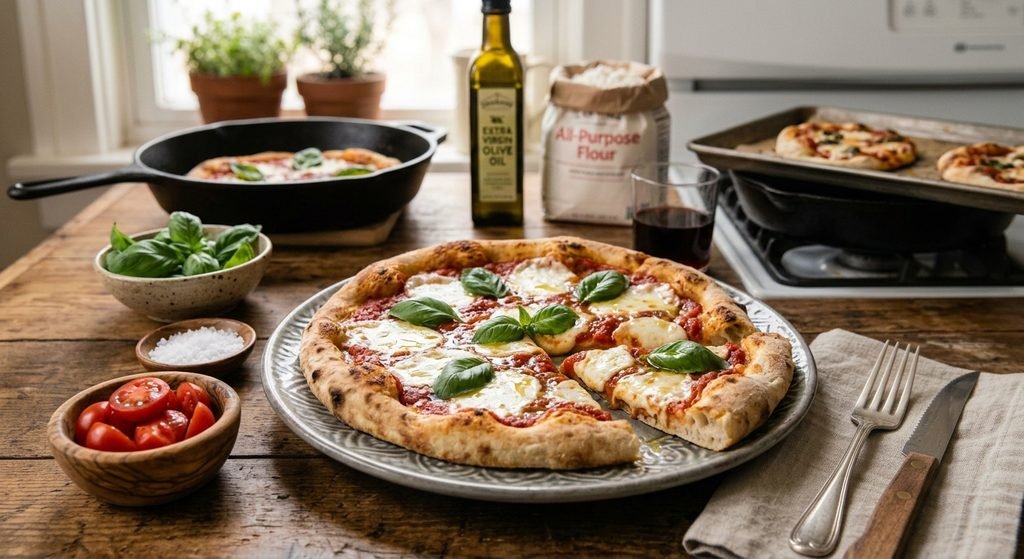
Margherita pizza is one of the most recognizable and beloved pizza varieties in the world. Known for its simple ingredients, fresh flavors, and beautiful appearance, this classic Italian-inspired dish has become a favorite in homes and restaurants everywhere.
Unlike heavily topped pizzas, Margherita pizza focuses on a few carefully selected ingredients. A delicious pizza dough forms the foundation, followed by tomato sauce, mozzarella cheese, fresh basil, and a little olive oil. When these ingredients are combined and baked at a high temperature, they create a wonderful balance of flavors.
One of the best things about homemade Margherita pizza is that you can prepare it using simple ingredients available at most grocery stores. You do not need a professional pizza oven or expensive equipment. A regular home oven, a baking sheet, and a little patience are enough to make a delicious homemade pizza.
Making pizza at home is also an enjoyable activity for families. Children can help spread the sauce, arrange the cheese, and decorate the pizza with fresh basil. You can prepare the dough in advance and customize the toppings according to your preferences.
This easy homemade Margherita pizza recipe will guide you through every step, from preparing the dough to baking and serving the finished pizza. You will also learn how to choose the best ingredients, avoid common pizza-making mistakes, store leftovers, and create delicious variations.
Whether you are planning a weekend pizza night, preparing a quick family dinner, or simply craving homemade Italian-style food, this recipe is an excellent choice.
What Makes Margherita Pizza Special?
Margherita pizza is special because of its simplicity.
Traditional-style Margherita pizza generally uses three main toppings:
- Tomato sauce
- Mozzarella cheese
- Fresh basil
These ingredients are arranged over pizza dough and baked until the crust becomes golden and the cheese melts.
A drizzle of olive oil adds richness, while the fresh basil provides a pleasant aroma.
The traditional colors of the ingredients are also associated with the colors of the Italian flag: red tomatoes, white mozzarella, and green basil.
Although modern recipes may include slight variations, the basic idea remains the same: use quality ingredients and allow their natural flavors to stand out.
Why You Will Love This Homemade Margherita Pizza Recipe
1. Simple and Fresh Ingredients
This recipe uses everyday ingredients rather than complicated toppings. Fresh tomatoes, mozzarella, basil, and flour create a delicious combination.
2. Perfect for Homemade Pizza Nights
Making pizza at home is a great way to spend time with family and friends. Everyone can help prepare the toppings and customize their own pizza.
3. Easy to Customize
You can adjust the sauce, cheese, herbs, and crust according to your preferences.
4. No Professional Pizza Oven Required
A regular home oven can produce excellent results when properly preheated.
5. Suitable for Different Occasions
Homemade Margherita pizza works well for lunch, dinner, casual gatherings, weekend meals, and family celebrations.
6. Delicious Freshly Baked Flavor
Fresh basil, melted mozzarella, and warm tomato sauce create an aroma and flavor that make homemade pizza especially enjoyable.
Homemade Margherita Pizza Recipe Overview
Here is a quick overview of the recipe.
- Preparation Time: 25 minutes
- Dough Rising Time: 1–1½ hours
- Cooking Time: 10–15 minutes per pizza
- Total Time: Approximately 2 hours
- Servings: 2–3
- Cooking Method: Oven baking
- Difficulty Level: Easy to moderate
The exact cooking time depends on your oven temperature, dough thickness, and baking equipment.
Ingredients for Homemade Margherita Pizza
To prepare this delicious pizza, divide the ingredients into three groups.
Ingredients for Homemade Pizza Dough
- 2½ cups all-purpose flour or bread flour
- 1 teaspoon instant yeast
- 1 teaspoon sugar
- 1 teaspoon salt
- 1 tablespoon olive oil
- ¾ cup warm water, approximately
- Extra flour for dusting
Ingredients for Tomato Pizza Sauce
- 1 cup crushed tomatoes
- 1 tablespoon olive oil
- 1 garlic clove, minced
- ½ teaspoon dried oregano
- ¼ teaspoon salt
- ¼ teaspoon black pepper
- ½ teaspoon sugar, optional
Ingredients for Pizza Toppings
- 8 ounces fresh mozzarella cheese
- ½ cup shredded mozzarella, optional
- 8–10 fresh basil leaves
- 1 tablespoon olive oil
- A pinch of dried oregano, optional
- A little freshly ground black pepper
Fresh mozzarella is especially delicious for Margherita pizza. If using it, drain excess moisture before adding it to the dough.
How to Choose the Best Ingredients
The quality of your ingredients plays an important role in homemade pizza.
Choosing the Right Flour
All-purpose flour is suitable for ordinary homemade pizza.
Bread flour contains more protein and can produce a chewier crust.
If you want a traditional-style pizza texture, bread flour is an excellent option.
Choosing Yeast
Instant yeast is convenient because it can be mixed directly with the dry ingredients.
Active dry yeast can also be used, but it may require activation in warm water according to the manufacturer’s instructions.
Always check the expiration date to ensure the yeast is active.
Selecting Tomatoes
Good-quality crushed tomatoes create a flavorful pizza sauce.
Choose tomatoes without excessive added sugar or unnecessary ingredients.
If you prefer a smoother sauce, blend the tomatoes before seasoning.
Choosing Mozzarella Cheese
Fresh mozzarella provides a soft texture and delicate flavor.
However, fresh mozzarella contains moisture, so drain it properly before using it.
Low-moisture mozzarella is another excellent choice because it melts well and generally releases less liquid.
Fresh Basil
Fresh basil is one of the most important ingredients in Margherita pizza.
Its aromatic flavor complements the tomatoes and cheese.
Avoid using dried basil as a complete replacement if you want the fresh flavor associated with this pizza.
Step-by-Step Instructions for Making Homemade Margherita Pizza
Follow these instructions to prepare a delicious homemade pizza from scratch.
Step 1: Prepare the Pizza Dough Ingredients
Begin by gathering all your ingredients.
Measure the flour, yeast, sugar, salt, olive oil, and warm water.
Make sure the water is warm rather than hot.
Very hot water can damage or kill the yeast, preventing the dough from rising properly.
A temperature around 105–110°F (40–43°C) is suitable for activating yeast, although instant yeast can also be mixed directly into the dry ingredients.
Step 2: Mix the Dry Ingredients
Add flour, instant yeast, sugar, and salt to a large mixing bowl.
Whisk the ingredients together until evenly distributed.
This helps spread the yeast and salt throughout the flour.
Step 3: Add Water and Olive Oil
Gradually pour warm water into the flour mixture.
Add olive oil.
Mix with a wooden spoon or spatula until a rough dough begins to form.
If the mixture feels excessively dry, add a small amount of water.
If it feels too sticky, add a little flour.
Avoid adding too much flour because this can make the finished crust dense.
Step 4: Knead the Dough
Transfer the dough to a lightly floured work surface.
Knead for approximately 8–10 minutes.
Push the dough away from you with the heel of your hand, fold it back, and rotate it.
Repeat this movement until the dough becomes smooth and elastic.
Proper kneading helps develop gluten, which gives pizza dough its structure and chewiness.
If you have a stand mixer with a dough hook, you can use it to make the process easier.
Step 5: Allow the Dough to Rise
Lightly grease a large bowl with olive oil.
Place the dough inside and turn it once so the surface is lightly coated.
Cover the bowl with a clean kitchen towel or plastic wrap.
Leave it in a warm place for approximately 1–1½ hours, or until it has roughly doubled in size.
Rising time depends on the temperature of your kitchen and the activity of the yeast.
Avoid placing the dough in an excessively hot location.
Step 6: Prepare the Tomato Pizza Sauce
While the dough is rising, prepare the sauce.
Add crushed tomatoes to a small bowl.
Stir in olive oil, minced garlic, dried oregano, salt, black pepper, and optional sugar.
Mix everything thoroughly.
Taste the sauce and adjust the seasoning if necessary.
For a fresh Margherita-style pizza, the sauce does not need to be heavily cooked.
If you prefer a thicker sauce, you can simmer it gently for several minutes and allow it to cool before using.
Step 7: Prepare the Cheese and Basil
Drain the fresh mozzarella and pat it dry using paper towels.
Slice it into small pieces or tear it into bite-sized portions.
Wash the fresh basil leaves and dry them carefully.
Keeping the ingredients relatively dry helps prevent excess moisture from making the pizza crust soggy.
Step 8: Preheat the Oven
Preheat your oven to its highest suitable temperature.
For this recipe, 475–500°F (245–260°C) is a useful range if your oven supports it.
If you have a pizza stone or pizza steel, place it inside the oven while preheating.
Allow the baking surface to heat thoroughly.
A hot baking surface helps the bottom of the pizza cook quickly and develop a crisp crust.
If you do not have a pizza stone, use a heavy baking sheet turned upside down.
Step 9: Divide and Shape the Dough
Once the dough has risen, gently press it to release excess air.
Transfer it to a floured work surface.
Divide the dough into two equal portions for two medium-sized pizzas, or use it to make one larger pizza.
Shape each portion into a ball.
Allow the dough balls to rest for approximately 10 minutes if they resist stretching.
This makes them easier to shape.
Step 10: Stretch the Pizza Dough
Place one dough ball on a lightly floured surface.
Use your fingertips to press it into a flat circle.
Gradually stretch the dough outward while leaving a slightly thicker border around the edges.
You can also lift the dough carefully and allow its own weight to help stretch it.
Avoid using a rolling pin if you prefer a crust with more air bubbles.
Aim for a thickness of approximately ¼ inch in the center, depending on your preferred pizza style.
Transfer the shaped dough to a piece of parchment paper or a suitable pizza peel.
Step 11: Spread the Tomato Sauce
Spoon approximately ¼–⅓ cup of tomato sauce over the dough.
Spread it evenly using the back of a spoon.
Leave a small border around the edges for the crust.
Avoid adding too much sauce.
Excess sauce can make the center of the pizza wet and difficult to cook properly.
Step 12: Add the Mozzarella Cheese
Arrange the mozzarella pieces evenly over the tomato sauce.
Do not completely cover the pizza with excessive cheese.
Margherita pizza is known for its balanced combination of tomato, cheese, and basil.
If you prefer a more generous cheese topping, add a little shredded mozzarella as well.
Step 13: Add Olive Oil
Drizzle a small amount of olive oil over the cheese and sauce.
This adds flavor and helps create a delicious finish.
You can also reserve a little olive oil for the finished pizza.
Step 14: Bake the Pizza
Carefully transfer the pizza to the preheated pizza stone, steel, or baking sheet.
Bake for approximately 10–15 minutes, depending on your oven and crust thickness.
Watch the pizza during the final few minutes.
The crust should become golden brown, and the mozzarella should melt.
Some small golden spots on the cheese are desirable.
If the edges brown too quickly, reduce the temperature slightly for the remaining cooking time.
Step 15: Add Fresh Basil
Remove the pizza carefully from the oven.
Arrange fresh basil leaves over the hot pizza.
Adding basil after baking helps preserve its fresh aroma and color.
You can tear large leaves into smaller pieces if desired.
Step 16: Slice and Serve
Allow the pizza to rest for approximately 2–3 minutes.
Use a pizza cutter or sharp knife to slice it into portions.
Serve immediately while the cheese is warm and the crust is crisp.
Your homemade Margherita pizza is ready!
Expert Tips for Perfect Homemade Margherita Pizza
Making great pizza is easier when you understand a few important techniques.
1. Use a Properly Heated Oven
Pizza needs high heat to cook efficiently.
Preheat your oven thoroughly and allow your pizza stone or steel to become hot before baking.
2. Avoid Excessive Sauce
A thin, even layer of sauce is usually enough.
Too much sauce can prevent the center from cooking properly.
3. Drain Fresh Mozzarella
Fresh mozzarella contains moisture.
Drain it thoroughly and pat it dry before adding it to the pizza.
This helps prevent a soggy crust.
4. Do Not Overload the Toppings
Margherita pizza is all about simplicity.
Using too much cheese, sauce, or basil can affect the balance of flavors.
5. Knead the Dough Properly
Kneading helps create a smooth and elastic dough.
If the dough is not kneaded sufficiently, the crust may lack structure.
6. Give the Dough Enough Time to Rise
Allowing the dough to rise properly improves its texture and makes it easier to stretch.
Do not rush this step.
7. Add Basil at the Right Time
Fresh basil can lose its color and aroma when exposed to high heat for too long.
Adding it after baking gives the pizza a fresher flavor.
8. Avoid Using Too Much Flour While Shaping
A little flour prevents sticking, but excessive flour can make the crust dry.
Use only what you need.
Delicious Margherita Pizza Variations
Although classic Margherita pizza is delicious, you can experiment with different ingredients to create new flavors.
1. Spicy Margherita Pizza
If you enjoy spicy food, add red pepper flakes to the tomato sauce.
You can also sprinkle a little chili oil over the finished pizza.
This creates a spicy version without changing the basic ingredients.
2. Cherry Tomato Margherita Pizza
Replace some of the tomato sauce topping with halved cherry tomatoes.
Their natural sweetness complements the mozzarella and basil.
Use them in moderation to avoid excess moisture.
3. Garlic Margherita Pizza
Add a little finely minced garlic to the tomato sauce.
You can also brush the crust with garlic-infused olive oil before baking.
This creates a more intense savory flavor.
4. Whole Wheat Margherita Pizza
Replace part or all of the all-purpose flour with whole wheat flour.
Whole wheat flour produces a heartier crust with a slightly nutty flavor.
You may need to adjust the water quantity because whole wheat flour absorbs moisture differently.
5. Extra Cheese Margherita Pizza
If you love cheese, add a small amount of Parmesan or low-moisture mozzarella.
Avoid using too much cheese because it can make the center heavy.
6. Vegetable Margherita Pizza
You can add thinly sliced vegetables such as:
- Bell peppers
- Mushrooms
- Zucchini
- Red onions
- Spinach
Cook moisture-rich vegetables lightly before adding them to the pizza.
7. Pesto Margherita Pizza
For a different flavor, replace a small portion of the tomato sauce with basil pesto.
Spread a thin layer of tomato sauce first, then add small spoonfuls of pesto.
Finish with mozzarella and fresh basil.
Common Mistakes to Avoid When Making Homemade Pizza
Using Water That Is Too Hot
Very hot water can damage the yeast.
Solution: Use warm water within the recommended temperature range.
Not Allowing the Dough to Rise
Insufficient rising time can result in a dense crust.
Solution: Allow the dough to approximately double in size before shaping.
Using Too Much Sauce
Excessive sauce can create a soggy center.
Solution: Spread a thin, even layer.
Adding Wet Mozzarella
Excess moisture can make the crust soft.
Solution: Drain fresh mozzarella and pat it dry.
Baking in an Insufficiently Heated Oven
A cool oven may produce pale, chewy pizza rather than a crisp crust.
Solution: Preheat the oven and baking surface thoroughly.
Overloading the Pizza
Too many toppings can prevent even cooking.
Solution: Keep the toppings balanced and relatively light.
Cutting the Pizza Immediately
Cutting immediately can cause melted cheese and sauce to slide around.
Solution: Allow the pizza to rest for a few minutes before slicing.
What to Serve with Margherita Pizza
Margherita pizza is delicious by itself, but pairing it with side dishes can create a complete meal.
Fresh Garden Salad
A garden salad with lettuce, tomatoes, cucumbers, and a light dressing provides a refreshing contrast.
Garlic Bread
Garlic bread is a popular side dish for pizza.
Its buttery flavor complements tomato sauce and mozzarella.
Roasted Vegetables
Roasted zucchini, broccoli, bell peppers, and carrots provide additional flavor and texture.
Tomato Soup
A bowl of warm tomato soup pairs nicely with the tomato-based flavors of Margherita pizza.
Potato Wedges
Crispy potato wedges are a satisfying option for casual pizza nights.
Caesar Salad
A Caesar salad with lettuce, Parmesan, croutons, and creamy dressing is another excellent choice.
Fresh Fruit
Fresh fruit such as watermelon, grapes, and strawberries can provide a refreshing finish to the meal.
How to Store Leftover Margherita Pizza
If you have leftover pizza, proper storage helps maintain its quality.
Refrigerating Leftover Pizza
Allow the pizza to stop steaming.
Place the slices in an airtight container or wrap them securely.
Refrigerate within two hours of cooking, or within one hour if the surrounding temperature is above 90°F (32°C).
Cooked pizza can generally be stored in the refrigerator for 3–4 days at 40°F (4°C) or below.
Freezing Homemade Pizza
You can freeze leftover pizza for longer storage.
Follow these steps:
- Allow the slices to cool completely.
- Wrap each slice individually.
- Place the wrapped slices in a freezer-safe container.
- Label the container with the date.
- Store in the freezer.
For best quality, use frozen pizza within approximately 1–2 months.
Reheating Pizza in the Oven
The oven is an excellent way to restore the crispness of leftover pizza.
- Preheat the oven to 375°F (190°C).
- Place the pizza slices on a baking sheet.
- Heat for approximately 5–10 minutes.
- Check that the pizza is thoroughly heated.
- Remove and serve.
Reheating Pizza in a Skillet
A skillet is another convenient method.
Place a pizza slice in a nonstick skillet over medium-low heat.
Cover the skillet and heat until the bottom becomes crisp and the cheese melts.
If necessary, add a few drops of water to the empty area of the skillet and cover briefly to help melt the cheese. Avoid putting water directly on the pizza.
Reheating Pizza in an Air Fryer
Preheat the air fryer according to its instructions.
Place the slices in a single layer and heat at approximately 325–350°F (165–175°C) until thoroughly warmed.
The cooking time depends on the thickness of the pizza and the appliance.
For food safety, reheat leftovers to 165°F (74°C).
How to Prepare Pizza Dough Ahead of Time
Preparing pizza dough in advance can save time on busy days.
After kneading, place the dough in a lightly oiled airtight container.
Refrigerate it for up to approximately 24–48 hours.
The dough may continue fermenting slowly in the refrigerator, developing additional flavor.
When you are ready to make pizza, remove the dough and allow it to sit at room temperature until it becomes easier to stretch.
You can also freeze individual dough portions.
Place each dough ball in a freezer-safe bag, remove excess air, and freeze.
For best quality, use frozen pizza dough within approximately 2–3 months.
Thaw frozen dough in the refrigerator before shaping.
Frequently Asked Questions About Homemade Margherita Pizza
1. What Are the Main Ingredients in Margherita Pizza?
The main ingredients are pizza dough, tomato sauce, mozzarella cheese, fresh basil, and olive oil.
These ingredients create the classic flavor combination.
2. What Temperature Should I Bake Margherita Pizza At?
A home oven temperature of 475–500°F (245–260°C) works well when supported by the appliance.
Always follow your oven manufacturer’s temperature limits.
3. How Long Does Homemade Margherita Pizza Take to Bake?
At high home-oven temperatures, pizza generally takes approximately 10–15 minutes.
The exact time depends on crust thickness, toppings, and oven performance.
4. Can I Make Margherita Pizza Without a Pizza Stone?
Yes. A heavy baking sheet can be used instead.
Preheat the baking sheet carefully and use parchment paper if appropriate for your oven temperature.
Always follow the parchment manufacturer’s temperature recommendations.
5. Which Cheese Is Best for Margherita Pizza?
Fresh mozzarella is a traditional and delicious choice.
Low-moisture mozzarella can also work well because it releases less moisture during baking.
6. Why Is My Homemade Pizza Crust Soggy?
A soggy crust may result from excessive sauce, wet cheese, too many toppings, or insufficient oven heat.
Use a hot oven and keep the toppings relatively light.
7. Can I Use All-Purpose Flour for Pizza Dough?
Yes. All-purpose flour works well for homemade pizza.
Bread flour is another option if you prefer a chewier crust.
8. Can I Prepare Pizza Dough the Night Before?
Yes. Pizza dough can be refrigerated overnight in a covered container.
Bring it toward room temperature before shaping.
9. Should Fresh Basil Be Added Before or After Baking?
Adding fresh basil after baking helps preserve its aroma and color.
Some cooks add a small amount before baking and more after baking.
10. Can I Make Margherita Pizza Without Tomato Sauce?
Yes. You can make a white-style pizza using olive oil, mozzarella, and basil.
However, it will differ from the classic tomato-based Margherita pizza.
11. How Do I Prevent Pizza Dough from Sticking?
Lightly flour your work surface and hands.
You can also use parchment paper to make transferring the pizza easier.
12. Can I Freeze Homemade Pizza Dough?
Yes. Divide the dough into portions, place each in a freezer-safe bag, and freeze.
For best quality, use it within approximately 2–3 months.
13. Is Homemade Margherita Pizza Vegetarian?
Traditional Margherita pizza is generally vegetarian when prepared with suitable mozzarella and other ingredients.
Check cheese labels if you avoid animal-derived rennet.
14. How Can I Make the Pizza Crust Crispy?
Use a thoroughly preheated oven, a hot pizza stone or steel if available, and avoid adding excessive sauce or wet toppings.
15. Can I Make Mini Margherita Pizzas?
Absolutely. Divide the dough into smaller portions and shape individual pizzas.
Smaller pizzas may cook more quickly, so monitor them carefully.
Conclusion
Homemade Margherita pizza is a delicious way to enjoy one of the world’s most popular pizza styles in your own kitchen. Its combination of fresh tomato sauce, creamy mozzarella, aromatic basil, and golden pizza dough creates a simple yet satisfying meal.
The best part is that you can make this recipe using ordinary kitchen equipment and ingredients that are easy to find.
For the best results, prepare the dough properly, allow it enough time to rise, use a hot oven, drain fresh mozzarella, and avoid adding too many toppings.
You can also experiment with different variations, including spicy Margherita pizza, vegetable pizza, garlic pizza, and whole wheat pizza.
Serve your homemade pizza with a fresh garden salad, garlic bread, or roasted vegetables for a complete meal.
Whether you are planning a family dinner, a weekend gathering, or a fun homemade pizza night, this easy Margherita pizza recipe is an excellent choice.
Try it at home, enjoy the fresh ingredients, and discover how satisfying homemade pizza can be.
Happy cooking!