
Introduction
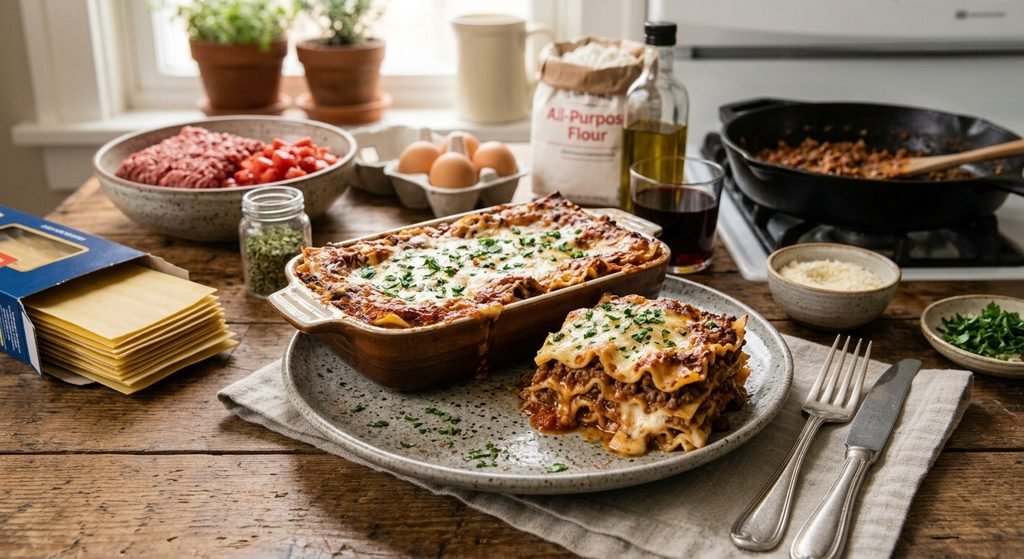
Lasagna is one of the most comforting and satisfying meals you can prepare at home. With its delicious layers of pasta, seasoned ground beef, rich tomato sauce, and melted cheese, this classic Italian-inspired dish has become a favorite in kitchens around the world.
Whether you are preparing dinner for your family, inviting friends over for a weekend meal, or looking for something special to serve during a holiday gathering, homemade beef lasagna is an excellent choice. It combines simple ingredients into a flavorful dish that looks impressive and tastes even better.
Although restaurant-style lasagna may seem complicated, making it at home is surprisingly straightforward. You do not need professional cooking skills or expensive equipment. With a little preparation and the right ingredients, you can create a delicious lasagna with perfectly cooked pasta, a rich meat sauce, and beautifully melted cheese.
One of the best things about homemade lasagna is that you can customize it according to your preferences. You can add vegetables, adjust the seasoning, use different cheeses, or prepare a lighter version with lean ground beef.
In this detailed guide, you will learn how to make easy homemade beef lasagna from scratch. We will cover the ingredients, preparation process, cooking instructions, helpful tips, common mistakes, serving suggestions, storage methods, and frequently asked questions.
By the end of this recipe, you will have everything you need to prepare a delicious lasagna that your family and guests will love.
Why You Will Love This Homemade Beef Lasagna
There are many reasons why this beef lasagna deserves a place in your regular meal rotation.
1. Rich and Delicious Flavor
The combination of seasoned ground beef, tomato sauce, garlic, herbs, and cheese creates a deep, satisfying flavor. Every layer contributes something special to the finished dish.
2. Perfect for Family Dinners
Lasagna is a filling meal that can easily serve several people. Instead of preparing multiple dishes, you can make one large baking dish and serve everyone from it.
3. Easy-to-Find Ingredients
Most of the ingredients are available at ordinary grocery stores. You do not need rare Italian ingredients or expensive kitchen supplies.
4. Great for Meal Preparation
You can assemble lasagna ahead of time and bake it later. This makes it especially convenient for busy weekdays and special occasions.
5. Easy to Customize
You can add spinach, mushrooms, zucchini, or other vegetables. You can also adjust the cheese and seasoning according to your taste.
6. Delicious Leftovers
Lasagna often tastes wonderful the next day because the flavors have additional time to develop. Properly stored leftovers can also make an easy lunch.
Homemade Beef Lasagna Recipe Overview
Before starting, here is a quick overview of the recipe.
- Preparation Time: 30 minutes
- Cooking Time: 45–55 minutes
- Resting Time: 15–20 minutes
- Total Time: Approximately 1 hour and 45 minutes
- Servings: 8
- Cooking Method: Oven baking
- Difficulty Level: Easy to moderate
The exact cooking time can vary depending on the type of pasta, the depth of your baking dish, and your oven.
Ingredients for Easy Homemade Beef Lasagna
The following ingredients create a delicious traditional-style beef lasagna.
Ingredients for the Meat Sauce
- 1 pound ground beef
- 1 tablespoon olive oil
- 1 medium onion, finely chopped
- 3 garlic cloves, minced
- 1 can (28 ounces) crushed tomatoes
- 2 tablespoons tomato paste
- ½ cup tomato sauce
- 1 teaspoon dried oregano
- 1 teaspoon dried basil
- ½ teaspoon Italian seasoning
- 1 teaspoon salt, or to taste
- ½ teaspoon black pepper
- ½ teaspoon paprika
- ½ teaspoon sugar (optional)
- ½ cup water or beef broth
Ingredients for the Cheese Layer
- 15 ounces ricotta cheese
- 1 large egg
- 2 cups shredded mozzarella cheese
- ½ cup grated Parmesan cheese
- 2 tablespoons chopped fresh parsley
- ¼ teaspoon black pepper
Additional Ingredients
- 9–12 lasagna noodles, depending on the dish size
- 1 tablespoon butter or olive oil for greasing the baking dish
- ½ cup additional shredded mozzarella for topping
These ingredients provide a balanced combination of meat, pasta, sauce, and cheese.
Choosing the Best Ingredients for Lasagna
The quality of your ingredients can make a noticeable difference in the final result.
Choosing Ground Beef
Ground beef is the main protein in this recipe. You can use lean ground beef to reduce excess grease while still maintaining good flavor.
An 85% lean and 15% fat blend is a useful option for a flavorful meat sauce. If you use fattier ground beef, drain excess grease after browning.
Selecting Lasagna Noodles
Traditional dried lasagna noodles work well for this recipe. Follow the package instructions to determine whether they need to be boiled before assembly.
Some brands offer oven-ready noodles that can be added directly to the baking dish. These products generally require adequate moisture in the sauce to cook properly.
Choosing Cheese
Ricotta creates a soft, creamy layer between the noodles.
Mozzarella provides the melted, stretchy cheese texture that makes lasagna so appealing.
Parmesan adds a salty, savory flavor that complements the tomato sauce.
For the best flavor, use good-quality cheese and shred mozzarella yourself if possible.
Choosing Tomatoes
Crushed tomatoes provide a smooth but slightly textured sauce.
Tomato paste adds concentrated flavor, while tomato sauce helps create a balanced consistency.
You can use canned tomatoes throughout the year for consistent results.
Step-by-Step Instructions for Making Homemade Beef Lasagna
Follow these steps carefully to create delicious layers of pasta, meat sauce, and cheese.
Step 1: Prepare the Ingredients
Start by gathering all the ingredients on your kitchen counter.
Finely chop the onion, mince the garlic, and measure the seasonings.
If you are using traditional lasagna noodles, prepare them according to the package directions.
Bring a large pot of salted water to a boil. Add the noodles and cook until they are al dente, which means they should be tender but still slightly firm.
Avoid overcooking them because they will continue cooking in the oven.
Once cooked, drain the noodles carefully and arrange them separately so they do not stick together.
You can lightly brush them with olive oil if necessary.
Step 2: Cook the Ground Beef
Place a large skillet or saucepan over medium heat.
Add olive oil and allow it to warm.
Add the chopped onion and cook for approximately 3–4 minutes until softened.
Next, add the minced garlic and cook for about 30 seconds.
Be careful not to burn the garlic because burnt garlic can create a bitter taste.
Add the ground beef to the skillet.
Break it apart using a wooden spoon or spatula and cook until it is browned throughout.
Stir occasionally to ensure even cooking.
If the beef releases excessive grease, carefully drain the excess fat before continuing.
Step 3: Prepare the Tomato Meat Sauce
Once the ground beef is browned, add tomato paste.
Stir for approximately one minute to combine it with the beef.
Next, add crushed tomatoes, tomato sauce, and water or beef broth.
Mix everything thoroughly.
Add dried oregano, basil, Italian seasoning, salt, black pepper, paprika, and optional sugar.
Stir until the seasonings are evenly distributed.
Bring the sauce to a gentle simmer.
Reduce the heat to low and allow it to cook uncovered for approximately 20–25 minutes.
Stir occasionally to prevent sticking.
As the sauce simmers, it will become thicker and develop a richer flavor.
Taste the sauce and adjust the seasoning if necessary.
If it becomes too thick, add a small amount of water or broth.
Step 4: Prepare the Ricotta Cheese Mixture
While the meat sauce is simmering, prepare the cheese mixture.
Add ricotta cheese to a medium-sized mixing bowl.
Crack one egg into the bowl.
Add grated Parmesan cheese, chopped parsley, and black pepper.
Mix everything until smooth and evenly combined.
The egg helps bind the ricotta mixture during baking, making it easier to spread between the pasta layers.
Avoid adding too much liquid to the mixture because this can make the finished lasagna watery.
Set the cheese mixture aside.
Step 5: Preheat the Oven
Preheat your oven to 375°F (190°C).
Allow the oven to reach the correct temperature before baking.
Prepare a 9-by-13-inch baking dish by lightly greasing it with butter or olive oil.
A rectangular baking dish works well because it provides enough space for several layers.
Step 6: Spread the First Layer of Meat Sauce
Spoon a thin layer of meat sauce across the bottom of the baking dish.
Spread it evenly using the back of a spoon.
This first layer helps prevent the noodles from sticking to the bottom.
It also provides moisture for the pasta during baking.
Step 7: Add the First Layer of Lasagna Noodles
Arrange cooked lasagna noodles over the sauce.
Depending on the size of your baking dish, you may need three noodles per layer.
Place them side by side without overlapping too much.
If necessary, cut a noodle to fill empty spaces.
Step 8: Add the Ricotta Cheese Mixture
Spread approximately one-third of the ricotta mixture over the noodles.
Use a spatula to distribute it evenly.
Do not press too hard because this may tear the noodles.
Sprinkle a small amount of mozzarella cheese over the ricotta layer.
Step 9: Add the Meat Sauce
Spoon another layer of meat sauce over the cheese mixture.
Spread it carefully to cover the noodles.
Try to distribute the ground beef evenly so that every portion contains a good amount of meat.
Step 10: Repeat the Layers
Repeat the layering process:
- Lasagna noodles.
- Ricotta cheese mixture.
- Mozzarella cheese.
- Meat sauce.
Continue until you have used the ingredients.
For most baking dishes, three layers of noodles work well, although deeper dishes may accommodate additional layers.
Make sure the top layer finishes with meat sauce and shredded mozzarella.
Step 11: Add the Final Cheese Topping
Spread the remaining meat sauce over the final pasta layer.
Sprinkle the remaining mozzarella cheese evenly over the top.
Add a little Parmesan cheese for extra flavor.
The cheese topping will melt during baking and develop a delicious golden appearance.
Step 12: Cover the Baking Dish
Cover the baking dish with aluminum foil.
Try to prevent the foil from touching the cheese directly.
If necessary, lightly grease the underside of the foil to reduce sticking.
Covering the lasagna helps retain moisture and allows the layers to heat evenly.
Step 13: Bake the Lasagna
Place the covered baking dish in the preheated oven.
Bake for approximately 25 minutes.
After this time, carefully remove the aluminum foil.
Continue baking uncovered for another 20–25 minutes.
The cheese should become melted, bubbly, and lightly golden.
If the center is still cold or the pasta is not fully tender, continue baking as needed.
Step 14: Allow the Lasagna to Rest
Once the lasagna is fully baked, remove it from the oven.
Allow it to rest for approximately 15–20 minutes before slicing.
This step is extremely important.
Freshly baked lasagna is very hot, and the layers may slide apart if you cut it immediately.
Resting allows the sauce and cheese to settle, making it easier to serve neat portions.
Step 15: Slice and Serve
Use a sharp knife to cut the lasagna into individual portions.
Carefully lift each piece using a wide spatula.
Transfer the portions to serving plates.
Garnish with fresh parsley or a little grated Parmesan cheese if desired.
Your delicious homemade beef lasagna is ready to enjoy!
Expert Tips for Perfect Homemade Lasagna
Even a simple recipe can benefit from a few professional cooking techniques.
1. Do Not Make the Sauce Too Watery
Excess liquid can make lasagna difficult to slice.
Allow the meat sauce to simmer until it reaches a thick but spreadable consistency.
If using oven-ready noodles, follow the package instructions and make sure there is enough moisture for them to cook properly.
2. Avoid Overcooking the Noodles
If you are boiling traditional lasagna noodles, cook them until al dente.
Overcooked noodles may become too soft after baking.
3. Distribute the Ingredients Evenly
Try to spread the meat sauce and cheese mixture evenly across each layer.
This ensures that every serving contains a balanced combination of ingredients.
4. Use Freshly Shredded Cheese
Pre-shredded mozzarella is convenient, but freshly shredded cheese often melts more smoothly.
If you have extra preparation time, shredding your own cheese can improve the texture.
5. Cover During the First Part of Baking
Covering the lasagna helps retain moisture and prevents the top from browning too quickly.
Remove the foil during the final portion of baking to allow the cheese to become golden.
6. Allow Enough Resting Time
Do not rush the resting process.
Waiting 15–20 minutes helps the layers hold together when sliced.
7. Taste the Meat Sauce Before Assembly
The meat sauce provides much of the flavor.
Taste it before assembling the lasagna and adjust the salt, pepper, herbs, and other seasonings.
Delicious Homemade Lasagna Variations
One of the best things about lasagna is its versatility.
Once you understand the basic recipe, you can experiment with different ingredients and flavors.
1. Vegetable Beef Lasagna
Adding vegetables is an easy way to introduce additional flavors and textures.
You can add:
- Chopped mushrooms
- Fresh spinach
- Diced zucchini
- Grated carrots
- Chopped bell peppers
Cook firm vegetables with the onions before adding the ground beef or sauce.
If using spinach, cook it separately and remove excess moisture before adding it to the layers.
This prevents the lasagna from becoming watery.
2. Spicy Beef Lasagna
If you enjoy spicy food, you can add a little heat to the meat sauce.
Add ½ teaspoon red pepper flakes or a small amount of cayenne pepper.
You can adjust the amount according to your preferred spice level.
For an extra kick, add a little chopped jalapeño when cooking the onions.
3. Three-Cheese Lasagna
For a richer cheese flavor, use three different cheeses.
Combine:
- Ricotta cheese
- Mozzarella cheese
- Parmesan cheese
You can also add a little provolone for another layer of flavor.
The combination creates a creamy interior with a delicious melted topping.
4. Mushroom Beef Lasagna
Mushrooms pair beautifully with ground beef.
Slice approximately 1 cup of mushrooms and cook them with the onions before adding the beef.
Allow excess moisture to evaporate.
This creates a savory meat sauce with additional texture.
5. Lean Ground Turkey Lasagna
If you want an alternative to beef, ground turkey can be used.
Replace the ground beef with an equal amount of ground turkey.
Cook it thoroughly with the onion, garlic, and seasonings.
Because turkey is generally leaner, you may need a little additional olive oil to prevent the mixture from becoming dry.
6. Spinach and Ricotta Lasagna
For a vegetarian-inspired variation, replace the ground beef with cooked spinach and mushrooms.
Combine the vegetables with the tomato sauce.
Layer them with ricotta, mozzarella, Parmesan, and lasagna noodles.
Make sure the vegetables are not excessively wet before assembling the dish.
Common Mistakes to Avoid When Making Lasagna
Understanding common mistakes can help you achieve better results.
Using Too Much Sauce
Too much liquid sauce can cause the layers to slide apart.
Solution: Simmer the meat sauce until it thickens and avoid adding unnecessary liquid.
Not Seasoning the Meat Properly
Ground beef can taste bland without adequate seasoning.
Solution: Use garlic, onion, oregano, basil, black pepper, and other seasonings to build flavor.
Overcooking the Pasta
Soft pasta may break during assembly and become mushy after baking.
Solution: Cook traditional noodles until al dente.
Skipping the Resting Time
Cutting lasagna immediately after baking can cause the layers to fall apart.
Solution: Allow it to rest for at least 15 minutes before serving.
Adding Too Much Ricotta
An excessively thick cheese layer can make the lasagna heavy and difficult to slice.
Solution: Distribute the ricotta mixture evenly without making individual layers too thick.
Forgetting to Cover the Dish
Leaving lasagna uncovered throughout baking can cause the top to brown too quickly while the interior is still heating.
Solution: Cover it during the initial baking period and uncover it toward the end.
Using a Dish That Is Too Small
Overfilling a baking dish can cause sauce and cheese to spill into the oven.
Solution: Choose a sufficiently deep baking dish and leave some room at the top.
What to Serve with Homemade Beef Lasagna
Lasagna is already a complete and filling meal, but serving it with complementary side dishes can make dinner even more enjoyable.
Here are some excellent options.
Garlic Bread
Garlic bread is one of the most popular side dishes for lasagna.
Its crispy exterior and buttery garlic flavor pair wonderfully with tomato sauce and melted cheese.
Fresh Garden Salad
A fresh salad provides a refreshing contrast to the rich flavors of lasagna.
Combine lettuce, cucumber, tomatoes, carrots, and your favorite dressing.
Roasted Vegetables
Roasted broccoli, carrots, zucchini, and bell peppers make excellent side dishes.
Season them with olive oil, salt, black pepper, and garlic.
Caesar Salad
A Caesar salad with crisp lettuce, Parmesan cheese, croutons, and creamy dressing is another classic choice.
Steamed Green Beans
Lightly seasoned green beans provide a simple vegetable side that balances the meal.
Dinner Rolls
Soft dinner rolls are perfect for soaking up any extra tomato sauce left on the plate.
You can also serve lasagna with sparkling water, lemonade, or your favorite nonalcoholic beverage.
How to Store Leftover Beef Lasagna
Proper storage helps preserve the quality of homemade lasagna.
Refrigerating Lasagna
Allow leftover lasagna to cool slightly.
Divide it into individual portions if desired and transfer the portions to airtight containers.
Refrigerate within two hours of cooking, or within one hour if the surrounding temperature is above 90°F (32°C).
Cooked lasagna can generally be stored in the refrigerator for 3–4 days at 40°F (4°C) or below.
Freezing Homemade Lasagna
Lasagna freezes well, making it an excellent meal-preparation option.
You can freeze individual portions or the entire baked dish.
For individual portions:
- Allow the lasagna to cool.
- Cut it into serving-sized pieces.
- Wrap each portion securely.
- Place the wrapped portions in a freezer-safe container.
- Label the container with the date.
For best quality, use frozen leftovers within approximately 2–3 months.
You can also freeze an assembled, unbaked lasagna in a suitable freezer-safe dish. Make sure the dish is designed for freezer and oven use, and follow the manufacturer’s instructions for temperature changes.
How to Reheat Lasagna in the Oven
The oven is an excellent method for reheating larger portions.
- Preheat the oven to 350°F (175°C).
- Place the lasagna in an oven-safe dish.
- Add a small amount of water or sauce if it appears dry.
- Cover the dish with aluminum foil.
- Heat until the center reaches 165°F (74°C).
- Remove the foil during the final few minutes if you want to refresh the cheese topping.
Cooking time will vary depending on portion size and whether the lasagna is refrigerated or frozen.
How to Reheat Lasagna in the Microwave
For a quick individual serving:
- Place one slice on a microwave-safe plate.
- Cover it loosely with a microwave-safe lid.
- Heat in short intervals.
- Check the center temperature.
- Continue heating until it reaches 165°F (74°C).
Allow it to rest briefly before eating.
How to Prepare Lasagna Ahead of Time
Homemade lasagna is an excellent dish for preparing in advance.
You can prepare the meat sauce and cheese mixture separately a day before baking.
Store each component in airtight containers in the refrigerator.
When you are ready to assemble the lasagna, prepare the noodles if necessary and layer everything in the baking dish.
You can also assemble the entire lasagna ahead of time, cover it, and refrigerate it.
For best food safety, refrigerate promptly and bake within 24 hours.
If baking directly from the refrigerator, the dish may require additional time. Use a food thermometer to confirm that the center is thoroughly heated.
Frequently Asked Questions About Homemade Beef Lasagna
1. What Is the Best Temperature for Baking Lasagna?
A temperature of 375°F (190°C) works well for this recipe. It allows the pasta, meat sauce, and cheese layers to heat evenly.
2. How Long Does Homemade Lasagna Take to Cook?
This recipe generally takes 45–55 minutes in the oven, followed by 15–20 minutes of resting time.
The exact time depends on the ingredients, dish size, and oven.
3. Do I Need to Boil Lasagna Noodles Before Baking?
Traditional dried noodles usually need to be boiled according to package instructions. Oven-ready noodles do not generally require pre-boiling.
Always follow the manufacturer’s directions.
4. Why Is My Lasagna Watery?
Lasagna may become watery because the meat sauce is too thin, vegetables release excess moisture, or the cheese mixture contains too much liquid.
Allow the sauce to simmer until thick and drain excess moisture from vegetables.
5. Can I Make Lasagna Without Ricotta Cheese?
Yes. You can substitute cottage cheese or prepare a béchamel sauce.
If using cottage cheese, consider blending it for a smoother texture.
6. Can I Use Ground Turkey Instead of Ground Beef?
Yes. Ground turkey works well in this recipe.
Cook it thoroughly and season it with garlic, onion, herbs, and spices.
7. How Many Layers Should Lasagna Have?
Most homemade lasagna recipes use approximately three or four layers of pasta, depending on the depth of the baking dish.
The important thing is to distribute the sauce and cheese evenly.
8. Should Lasagna Be Covered While Baking?
Yes. Covering the dish during the initial baking period helps retain moisture.
Remove the foil during the final 20–25 minutes to allow the cheese to melt and brown.
9. How Long Should Lasagna Rest Before Cutting?
Allow homemade lasagna to rest for approximately 15–20 minutes after removing it from the oven.
This helps the layers settle and makes slicing easier.
10. Can I Freeze Homemade Lasagna?
Yes. Baked or unbaked lasagna can be frozen in a suitable freezer-safe container.
For best quality, use frozen lasagna within approximately 2–3 months.
11. What Cheese Melts Best in Lasagna?
Mozzarella is a popular choice because it melts smoothly and creates a stretchy cheese topping.
Parmesan adds a stronger savory flavor, while ricotta provides a creamy interior.
12. Can I Make Lasagna Without Meat?
Absolutely. Replace the beef with vegetables such as mushrooms, spinach, zucchini, or eggplant.
You can also use a vegetable-based tomato sauce.
13. How Do I Keep Lasagna from Falling Apart?
Use a thick meat sauce, avoid excessive liquid, do not overcook the noodles, and allow the finished lasagna to rest before slicing.
14. Is It Better to Make Lasagna the Day Before?
Preparing lasagna ahead of time can be convenient because the ingredients have time to settle together.
You can assemble it the day before, refrigerate it safely, and bake it when needed.
Conclusion
Homemade beef lasagna is a delicious and satisfying meal that brings together everything people love about comfort food. Its layers of tender pasta, flavorful ground beef, rich tomato sauce, and melted cheese create a combination that is perfect for family dinners and special gatherings.
The best part is that you do not need complicated techniques to prepare it. By following a few simple steps, choosing quality ingredients, and allowing enough time for baking and resting, you can make a beautiful homemade lasagna in your own kitchen.
Remember to prepare a thick meat sauce, avoid overcooking the noodles, distribute the cheese evenly, and let the lasagna rest before cutting.
You can also experiment with vegetables, different cheeses, and alternative proteins to create new versions of this classic dish.
Whether you are cooking for your family, preparing meals for the week, or entertaining guests, this easy homemade beef lasagna recipe is a wonderful addition to your cooking collection.
Serve it with garlic bread and a fresh garden salad for a complete and satisfying dinner.
Give this recipe a try and enjoy the delicious taste of homemade lasagna with the people you love!