
Introduction
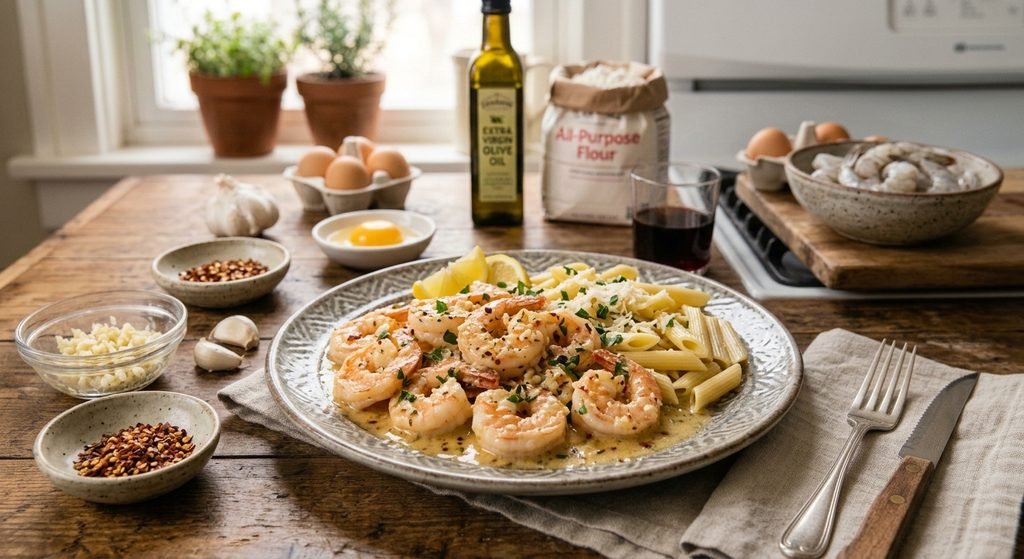
If you are looking for a delicious seafood dinner that is easy to prepare and full of flavor, this creamy garlic butter shrimp recipe is an excellent choice. It combines juicy shrimp, fresh garlic, butter, cream, and Parmesan cheese to create a rich and satisfying meal that tastes like something from a restaurant.
Shrimp is one of the most convenient seafood ingredients because it cooks quickly and absorbs flavors beautifully. When combined with garlic butter and a creamy sauce, it becomes a versatile dish that works for busy weeknight dinners, family meals, and special occasions.
One of the best things about this recipe is that it does not require complicated cooking techniques. With a few simple ingredients and one skillet, you can prepare a flavorful shrimp dinner in approximately 25 minutes.
The creamy sauce is made with butter, garlic, heavy cream, Parmesan cheese, and a little lemon juice. These ingredients create a smooth sauce with a balanced combination of richness, savory flavor, and freshness.
You can serve creamy garlic butter shrimp over pasta, rice, mashed potatoes, or alongside toasted garlic bread. It also pairs beautifully with steamed vegetables and fresh salads.
In this guide, you will learn how to prepare the shrimp, make a smooth garlic butter cream sauce, avoid common cooking mistakes, and customize the recipe according to your taste.
What Is Creamy Garlic Butter Shrimp?
Creamy garlic butter shrimp is a seafood dish made by cooking shrimp in a flavorful sauce containing butter, garlic, cream, and seasonings.
It is inspired by popular garlic butter seafood preparations and creamy pasta sauces. Although different versions exist, the basic idea is simple: tender shrimp are cooked in a skillet and combined with a rich sauce.
The butter provides a smooth, savory base, while garlic adds a strong aromatic flavor. Heavy cream gives the sauce its creamy texture, and Parmesan cheese adds a salty, nutty taste.
Lemon juice is often included to balance the richness and make the overall flavor feel brighter.
Unlike recipes that require long cooking times, shrimp cooks in only a few minutes. This makes the dish especially useful when you want a satisfying homemade dinner without spending too much time in the kitchen.
Why You Will Love This Recipe
There are many reasons to add creamy garlic butter shrimp to your regular dinner rotation.
Quick preparation: Shrimp cooks quickly, so the entire meal can be ready in approximately 25 minutes.
Simple ingredients: Most of the ingredients are easy to find at a grocery store.
Rich flavor: Garlic, butter, cream, and Parmesan create a delicious combination.
Versatile serving options: You can serve the shrimp with pasta, rice, bread, or vegetables.
Easy customization: Adjust the garlic, lemon, cheese, and seasoning to suit your preferences.
Restaurant-style results: A few basic cooking techniques help create a meal that feels special without requiring advanced culinary skills.
Recipe Overview
- Preparation Time: 10 minutes
- Cooking Time: 15 minutes
- Total Time: Approximately 25 minutes
- Servings: 4
- Course: Main Course
- Cuisine: American-inspired
- Cooking Method: Skillet
- Difficulty: Easy
Ingredients for Creamy Garlic Butter Shrimp
The following ingredients make approximately four servings.
For the Shrimp
- 1 pound large shrimp, peeled and deveined
- 1 tablespoon olive oil
- 2 tablespoons butter
- ½ teaspoon paprika
- ½ teaspoon salt
- ¼ teaspoon black pepper
- ½ teaspoon Italian seasoning
For the Creamy Garlic Sauce
- 3 tablespoons butter
- 5 garlic cloves, finely minced
- 1 cup heavy cream
- ½ cup freshly grated Parmesan cheese
- ¼ cup chicken broth or seafood stock
- 1 tablespoon fresh lemon juice
- ½ teaspoon Italian seasoning
- ¼ teaspoon paprika
- Salt, to taste
- Black pepper, to taste
For Garnishing
- 2 tablespoons chopped fresh parsley
- Extra grated Parmesan cheese
- Lemon wedges
- A pinch of red pepper flakes, optional
Choosing the Best Shrimp
The quality of shrimp makes a noticeable difference in this recipe.
Large or extra-large shrimp are excellent choices because they remain juicy and are easier to cook without overcooking.
You can use fresh or frozen shrimp. Frozen shrimp are often convenient and can work very well when properly thawed.
If you purchase shrimp with shells, remove the shells before cooking. You should also remove the dark digestive tract running along the back of the shrimp if it has not already been deveined.
Fresh Shrimp
Fresh shrimp should have a mild, clean seafood smell. Avoid shrimp with a strong unpleasant odor or a slimy texture.
Keep fresh shrimp refrigerated until you are ready to prepare the recipe.
Frozen Shrimp
Frozen shrimp should be thawed safely before cooking.
The easiest method is to transfer the shrimp to the refrigerator and allow them to thaw overnight.
If you need them sooner, place the shrimp in a sealed food-safe bag and submerge the bag in cold water, changing the water as needed. Cook immediately after thawing.
Do not thaw shrimp at room temperature.
Raw or Pre-Cooked Shrimp?
Raw shrimp are recommended for this recipe because they can cook directly in the skillet and absorb the flavors of the seasoning.
Pre-cooked shrimp can also be used, but they should only be warmed briefly in the finished sauce. Cooking them for too long can make them rubbery.
Step-by-Step Instructions
Step 1: Prepare the Shrimp
If using frozen shrimp, thaw them safely and drain away excess water.
Peel and devein the shrimp if necessary.
Pat them dry with paper towels. This helps the shrimp brown properly instead of releasing too much moisture into the skillet.
Place the shrimp in a bowl.
Add paprika, salt, black pepper, and Italian seasoning. Toss gently until the shrimp are evenly coated.
Set aside while you prepare the remaining ingredients.
Step 2: Prepare the Garlic and Other Ingredients
Mince the garlic cloves into small pieces.
Measure the heavy cream, Parmesan cheese, chicken broth, and lemon juice.
Chop the fresh parsley and prepare the lemon wedges.
Having everything ready before turning on the stove makes the cooking process easier because shrimp cooks quickly.
Step 3: Heat the Skillet
Place a large skillet over medium-high heat.
Add olive oil and two tablespoons of butter.
Allow the butter to melt and the oil to heat.
Swirl the skillet gently so the cooking fat covers the bottom.
Avoid allowing the butter to burn. If it begins to darken too quickly, reduce the heat.
Step 4: Cook the Shrimp
Add the seasoned shrimp to the skillet in a single layer.
Cook for approximately 1–2 minutes on the first side, then turn them over.
Continue cooking until the shrimp are opaque and just cooked through.
The exact cooking time depends on their size. Properly cooked shrimp generally form a loose C shape and have a firm but tender texture.
Transfer the cooked shrimp to a clean plate.
Avoid leaving the shrimp in the hot skillet while preparing the sauce because they may become overcooked.
Step 5: Melt the Butter and Cook the Garlic
Reduce the heat to medium.
Add three tablespoons of butter to the same skillet.
Once melted, add the minced garlic.
Cook for approximately 30–60 seconds, stirring continuously.
The garlic should become fragrant without turning dark brown.
Burnt garlic can make the sauce taste bitter, so keep a close eye on it.
Step 6: Add the Chicken Broth
Pour the chicken broth or seafood stock into the skillet.
Stir gently while scraping the bottom of the pan to release the flavorful browned bits left behind by the shrimp.
Allow the liquid to simmer for approximately one minute.
This step helps build a flavorful base for the cream sauce.
Step 7: Add the Heavy Cream
Pour the heavy cream into the skillet.
Stir slowly until the cream combines with the butter, garlic, and broth.
Add Italian seasoning, paprika, black pepper, and a small amount of salt.
Bring the sauce to a gentle simmer.
Do not allow it to boil aggressively because high heat can affect the texture of a cream-based sauce.
Step 8: Add Parmesan Cheese
Gradually sprinkle the grated Parmesan cheese into the sauce.
Stir continuously until the cheese melts and the sauce becomes smooth.
Freshly grated Parmesan is generally preferable because it melts more evenly than some packaged varieties.
If the sauce becomes too thick, add a little more broth or cream until you reach the desired consistency.
If it is too thin, allow it to simmer gently for another minute or two.
Step 9: Add Lemon Juice
Add one tablespoon of fresh lemon juice.
Stir and taste the sauce.
Lemon juice balances the richness of the butter, cream, and cheese.
You can add a little more if you prefer a brighter flavor, but avoid adding too much at once.
Step 10: Return the Shrimp to the Skillet
Place the cooked shrimp back into the skillet.
Gently toss them in the creamy garlic butter sauce.
Allow them to warm through for approximately 30–60 seconds.
Do not cook them for several additional minutes because shrimp can quickly become tough and rubbery.
Step 11: Garnish and Serve
Turn off the heat.
Sprinkle chopped fresh parsley over the shrimp.
Add extra Parmesan cheese and a pinch of red pepper flakes if desired.
Serve immediately while the sauce is warm and creamy.
Your homemade creamy garlic butter shrimp is ready to enjoy.
Tips for Perfect Creamy Garlic Butter Shrimp
A few simple techniques can help you achieve excellent results.
Do Not Overcook the Shrimp
This is the most important rule when preparing shrimp.
Overcooked shrimp become tough, chewy, and rubbery.
Cook them only until they are opaque and just cooked through. Remember that they will return to the skillet briefly when the sauce is ready.
Pat the Shrimp Dry
Excess water prevents proper browning and can dilute the sauce.
Use paper towels to remove surface moisture before seasoning.
Use Fresh Garlic
Freshly minced garlic provides a stronger and more aromatic flavor than many prepared alternatives.
Add it after the butter melts and cook gently to avoid burning.
Use Freshly Grated Parmesan
Freshly grated Parmesan generally melts more smoothly and provides a better texture.
Add the cheese gradually while stirring.
Keep the Heat Moderate
Cream sauces should simmer gently rather than boil rapidly.
Excessive heat can cause separation or an unpleasant texture.
Balance the Richness With Lemon
A small amount of lemon juice adds freshness and balances the buttery sauce.
Add it gradually and taste as you go.
Prepare Ingredients Before Cooking
Because shrimp cooks quickly, prepare the garlic, cheese, cream, and seasonings before heating the skillet.
This prevents unnecessary delays during cooking.
How to Make the Sauce Thicker or Thinner
The consistency of the sauce is largely a matter of personal preference.
For a Thicker Sauce
Allow the sauce to simmer gently for a little longer before returning the shrimp to the skillet.
You can also add a small amount of extra Parmesan cheese.
Avoid using excessive heat to reduce the sauce.
For a Thinner Sauce
Add a tablespoon of chicken broth or cream at a time.
Stir after each addition until the sauce reaches your preferred consistency.
If you plan to serve the shrimp over pasta, a slightly thinner sauce can be useful because it coats the noodles more easily.
Best Side Dishes to Serve With Garlic Butter Shrimp
Creamy garlic butter shrimp pairs well with many side dishes.
1. Fettuccine Pasta
Fettuccine is an excellent option because its wide shape holds creamy sauce well.
Cook the pasta according to the package directions, drain it, and toss it with a little sauce before serving.
Place the shrimp on top and finish with Parmesan cheese.
2. White Rice
Steamed white rice provides a simple base that absorbs the garlic butter sauce.
You can use long-grain rice, jasmine rice, or basmati rice.
3. Garlic Bread
Toasted garlic bread is ideal for serving with creamy shrimp.
It allows you to enjoy every bit of the sauce without needing additional utensils.
4. Mashed Potatoes
Creamy mashed potatoes create a comforting combination with the shrimp sauce.
Season the potatoes with butter, milk, salt, and black pepper.
5. Roasted Broccoli
Roasted broccoli adds color and a slightly crisp texture.
Toss broccoli florets with olive oil, salt, and black pepper before roasting until tender.
6. Steamed Asparagus
Asparagus is another excellent vegetable side.
Steam or roast it lightly and finish with lemon juice.
7. Fresh Green Salad
A simple salad with lettuce, cucumber, tomatoes, and a light vinaigrette provides freshness alongside the rich sauce.
Delicious Recipe Variations
This recipe is easy to customize depending on your preferred flavors.
1. Creamy Garlic Butter Shrimp Pasta
For a complete pasta dinner, cook approximately 8 ounces of fettuccine, linguine, or spaghetti.
Prepare the shrimp and sauce as directed.
Add the drained pasta to the skillet and toss gently until the noodles are coated.
If necessary, add a little reserved pasta water to help the sauce cling to the noodles.
Finish with Parmesan cheese and fresh parsley.
2. Spicy Garlic Butter Shrimp
If you enjoy spicy food, add red pepper flakes or cayenne pepper to the seasoning.
You can also add a small amount of hot sauce to the cream sauce.
Start with a little and adjust according to your preference.
3. Lemon Garlic Butter Shrimp
For a fresher flavor, increase the lemon juice slightly and add a little lemon zest.
This version works especially well when served with rice or roasted vegetables.
4. Garlic Butter Shrimp Without Heavy Cream
If you prefer a lighter sauce, you can skip the heavy cream.
Use additional broth and a small amount of butter to create a thinner garlic butter sauce.
You can finish with Parmesan cheese if desired.
The result will be less rich but still flavorful.
5. Cajun Garlic Butter Shrimp
Replace some of the Italian seasoning with Cajun seasoning.
Add a small amount of paprika and cayenne pepper.
Cajun seasoning often contains salt, so taste before adding extra salt.
6. Garlic Butter Shrimp With Spinach
Add a few handfuls of fresh spinach after the cream sauce has formed.
Stir until the spinach wilts.
Return the shrimp to the skillet and finish the recipe as directed.
7. Mushroom Garlic Butter Shrimp
Slice approximately one cup of mushrooms.
Cook them in the skillet before adding the garlic and butter for the sauce.
Once the mushrooms become tender, continue with the remaining instructions.
Mushrooms add an earthy flavor that works well with Parmesan and cream.
Common Mistakes to Avoid
Overcrowding the Skillet
Adding too many shrimp at once can cause them to steam instead of brown.
Cook in batches if your skillet is too small.
Using Excessive Heat
High heat can burn garlic, separate the sauce, and overcook shrimp.
Use moderate heat when preparing the creamy sauce.
Adding Cold Ingredients Too Quickly
Very cold cream added to an extremely hot pan can create uneven heating.
Reduce the heat before adding cream and stir gradually.
Using Too Much Parmesan
Parmesan has a strong salty flavor.
Adding too much can make the sauce overly thick and salty.
Add it gradually and taste before seasoning further.
Cooking Shrimp for Too Long
Shrimp requires only a short cooking time.
Remove it from the skillet once cooked and return it only briefly when the sauce is ready.
Forgetting to Taste the Sauce
Different brands of broth and Parmesan contain different amounts of salt.
Taste the sauce before serving and adjust the seasoning carefully.
How to Store Leftover Creamy Garlic Butter Shrimp
If you have leftover shrimp, allow it to cool slightly and transfer it to an airtight container.
Refrigerate leftovers within two hours of cooking. If the surrounding temperature is above 90°F (32°C), refrigerate within one hour.
Cooked shrimp and other seafood leftovers generally keep for 3–4 days when properly refrigerated at 40°F (4°C) or below.
For the best texture, store the shrimp and pasta separately when possible.
Avoid leaving seafood at room temperature for extended periods.
Can You Freeze Creamy Garlic Butter Shrimp?
Freezing is possible, but cream-based sauces may change texture after thawing.
The sauce can separate or become slightly grainy, while the shrimp may lose some of its original tenderness.
If you decide to freeze leftovers, place them in a suitable airtight freezer container.
For best quality, use them within approximately 1–2 months.
Thaw the food in the refrigerator rather than at room temperature.
When reheating, warm it gently and stir the sauce carefully.
How to Reheat Creamy Garlic Butter Shrimp
Reheating shrimp requires care because it can become rubbery if exposed to heat for too long.
Reheating on the Stovetop
Place the shrimp and sauce in a skillet over low heat.
Add a small splash of cream, milk, or broth if the sauce has thickened.
Stir gently and heat until the center reaches 165°F (74°C).
Avoid boiling the sauce.
Reheating in the Microwave
Place a portion in a microwave-safe dish.
Cover loosely and heat in short intervals, stirring carefully between intervals.
Continue until the food reaches 165°F (74°C).
The microwave can heat shrimp unevenly, so check the temperature in several places.
Reheating With Pasta
If you stored the pasta separately, warm it with a little water or broth.
Heat the shrimp sauce separately and combine the ingredients once both are hot.
This helps prevent the shrimp from becoming overcooked.
Meal Preparation Tips
Creamy garlic butter shrimp is best served fresh, but several ingredients can be prepared in advance.
You can peel and devein the shrimp, mince the garlic, grate the Parmesan, and measure the seasonings before cooking.
Keep raw shrimp refrigerated until it is time to cook.
You can also prepare the side dishes in advance. Cook rice, wash vegetables, and prepare a salad so that everything is ready when the shrimp finishes cooking.
For busy evenings, having the ingredients measured and organized can reduce preparation time significantly.
Frequently Asked Questions
1. How Long Does Shrimp Take to Cook?
Most large shrimp cook in approximately 2–4 minutes total, depending on their size and the heat level. They are ready when opaque and just cooked through.
2. Can I Use Frozen Shrimp?
Yes. Frozen shrimp work well when properly thawed, drained, peeled, and deveined before cooking.
3. Can I Use Pre-Cooked Shrimp?
Yes, but add pre-cooked shrimp near the end and warm them briefly. They do not need to be cooked again from raw.
4. What Cream Is Best for Garlic Butter Shrimp?
Heavy cream works particularly well because it creates a rich, smooth sauce. Other cream products may produce a thinner consistency.
5. Why Did My Cream Sauce Separate?
Cream sauces can separate when exposed to excessive heat or aggressive boiling. Keep the sauce at a gentle simmer and stir regularly.
6. Can I Make This Recipe Without Parmesan?
Yes. You can leave out the Parmesan, although the sauce will have a milder flavor. Adjust the seasoning to compensate.
7. What Pasta Goes Best With Creamy Shrimp?
Fettuccine, linguine, spaghetti, and penne all work well. Wider pasta varieties are especially good at holding creamy sauces.
8. How Do I Know When Shrimp Is Fully Cooked?
Shrimp should become opaque and firm. For a reliable food-safety check, the center should reach 145°F (63°C).
9. Can I Make Garlic Butter Shrimp Ahead of Time?
You can prepare and measure the ingredients ahead of time, but the shrimp is best cooked shortly before serving. This helps preserve its tender texture.
10. Is Creamy Garlic Butter Shrimp Spicy?
The basic recipe is not particularly spicy. Red pepper flakes, Cajun seasoning, or cayenne pepper can be added if you prefer heat.
11. Can I Add Vegetables?
Yes. Spinach, mushrooms, broccoli, and asparagus are all good additions.
12. What Should I Do If My Sauce Is Too Salty?
Add a little more cream or unsalted broth and stir gently. Avoid adding extra Parmesan because it may increase the saltiness.
13. Can I Use Milk Instead of Heavy Cream?
Milk can be used, but the sauce will be thinner. You may need to adjust the consistency using a small amount of additional Parmesan or another suitable thickening method.
Conclusion
Creamy garlic butter shrimp is a wonderful homemade dinner that combines simple ingredients with rich, satisfying flavor. Tender shrimp, fresh garlic, butter, cream, and Parmesan cheese create a delicious sauce that can transform an ordinary meal into something special.
The recipe is easy to customize and works with a variety of side dishes, including pasta, rice, garlic bread, and roasted vegetables.
For the best results, avoid overcooking the shrimp, use fresh garlic, keep the cream sauce at a gentle simmer, and balance the richness with a little lemon juice.
Whether you are preparing a quick weeknight dinner or planning a special meal, this creamy garlic butter shrimp recipe is a delicious option worth trying.
Prepare it at home, serve it with your favorite side dish, and enjoy a flavorful seafood meal with family and friends.